


In a world that moves faster than a cat chasing a laser pointer, staying updated on global happenings is more crucial than ever. From political shake-ups to environmental crises, the news never sleeps—and neither should you. Ignoring these updates is like trying to run a marathon in flip-flops: it just won’t end well.
Recent Global Updates
Global events continue to shape international landscapes. The ongoing conflict in Ukraine has escalated, with recent military strategies impacting energy resources and economic stability in Europe. Major governments responded by increasing sanctions aimed at restricting Russia’s economy.
In Asia, tensions surrounding Taiwan have risen as China asserts its military presence in the region. Recent military drills by China led to heightened concerns among neighboring countries. These developments prompted discussions among leaders in the G7, focusing on collective security measures and regional stability.
Environmental issues also remain in the spotlight. Recent reports from the United Nations indicate that climate change is accelerating. The Intergovernmental Panel on Climate Change warns that if global temperatures exceed a certain threshold, catastrophic events may become more frequent. Nations are urged to commit to carbon reduction targets more aggressively.
The COVID-19 pandemic continues to affect global health policies. Entry restrictions and vaccination requirements fluctuate as new variants emerge. Countries are emphasizing the importance of booster doses to combat the spread of the virus.
Lastly, economic updates reflect a tightening of global markets. Inflation rates have surged in various regions, leading central banks to reconsider interest rates. Experts predict that maintaining balance between growth and inflation will be a challenge for policymakers.
Staying informed about these updates remains crucial for understanding their implications on politics, health, and the environment.
Political Developments
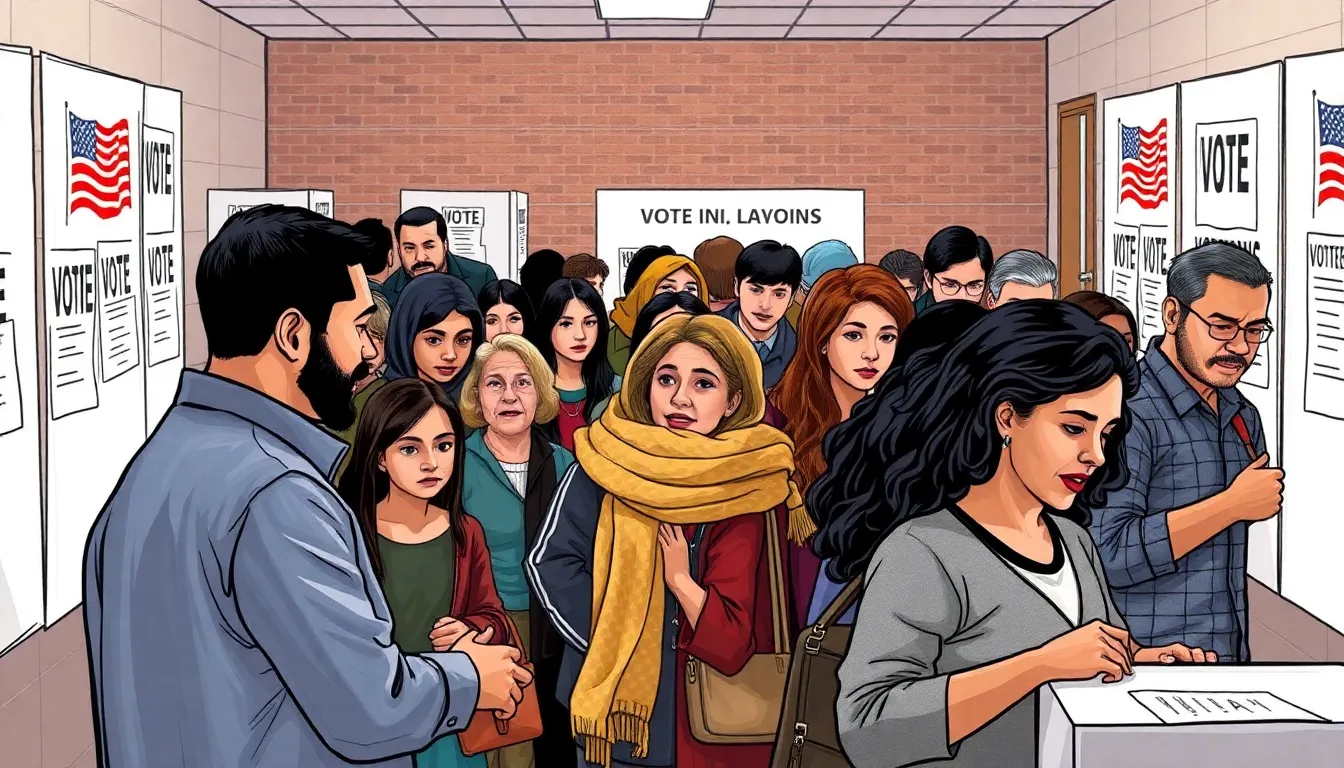
Political developments reflect significant changes in global dynamics. Current events demonstrate the shifting landscape of international relations and power.
Key Elections and Outcomes
Multiple countries are approaching pivotal elections that may reshape governance. In Brazil, the presidential election draws attention as incumbent Luiz Inácio Lula da Silva faces challenges from Jair Bolsonaro. Voter turnout is critical, with Brazil’s electorate exceeding 150 million. Meanwhile, the United States prepares for midterm elections, where control of Congress is at stake. Voter engagement is high, as various issues influence public opinion. Germany’s local elections signal changes in political alliances, affecting national policies. These key elections indicate shifting priorities among the electorate across regions.
International Relations Shifts
International relations are evolving with notable shifts in alliances. Tensions between the United States and China remain high, particularly regarding trade and security in the Asia-Pacific region. Increased military presence in Taiwan reflects these concerns. Russia’s invasion of Ukraine continues to strain relationships with Western nations, prompting sanctions and military aid. European countries are adjusting strategies to counter Russian aggression, fostering greater unity within the European Union. Additionally, diplomatic ties in the Middle East show signs of improvement, with Saudi and Iranian discussions reflecting changing geopolitical interests. These developments illustrate the fluid nature of international partnerships.
Economic Trends
Economic trends play a crucial role in shaping global dynamics. These trends influence investments, trade, and overall market stability.
Global Market Reactions
Global markets are responding to various economic indicators. Recent data show declines in stock prices across major indices, reflecting investor concerns about inflation and potential interest rate hikes. Central banks are adjusting monetary policies to address rising prices, which adds uncertainty. Analysts observe that geopolitics continues to impact investment decisions, particularly regarding conflicts in Ukraine and Taiwan. These factors contribute to market volatility. Sectors like energy and technology experience significant fluctuations, affecting investor sentiment.
Emerging Economies
Emerging economies face unique challenges and opportunities. Inflation rates in countries like Brazil and India heighten impacts on consumer spending and economic growth. Investment in infrastructure and technology drives growth in these markets, appealing to international investors. Additionally, countries are focusing on sustainability to attract foreign investment, aligning with global climate goals. Trade agreements aiming to enhance economic cooperation further influence these regions. Countries are navigating the complexities of global supply chains while striving for resilience. Economic data indicates that emerging markets may offer higher returns despite the risks involved.
Environmental Changes
Global environmental shifts demand attention as nations adapt to unprecedented changes. Climate initiatives aimed at reducing carbon footprints emerge as key responses.
Climate Initiatives Worldwide
Countries implement various climate initiatives to combat climate change effectively. The United Nations Climate Change Conference emphasizes stringent carbon reduction targets, pushing nations to take proactive measures. Many nations commit to renewable energy sources, shifting from fossil fuels to solar and wind energy. Governments incentivize the adoption of electric vehicles, promoting sustainable transportation options. Global partnerships also form, aiming to share resources and technologies to enhance environmental resilience. Financial aid supports developing nations in building greener infrastructures.
Natural Disasters and Responses
Natural disasters reveal the urgent need for effective responses. Recent events, including hurricanes and wildfires, devastate communities and ecosystems globally. Emergency management agencies coordinate disaster response efforts, providing immediate relief and reconstruction support. Local authorities focus on improving infrastructure to withstand future incidents. Communities adopt preparedness measures, emphasizing the importance of education and training. Bass measures include early warning systems that leverage technology to mitigate risks from disasters. Collaborative efforts between governments and NGOs enable faster recovery and rebuilding processes.
Technological Advancements
Technological advancements are reshaping the landscape of global communication and information dissemination. Innovations are enhancing connectivity and accelerating the flow of information across borders.
Innovations Impacting Global Communication
Advancements in platforms like social media facilitate real-time updates on global events. Video conferencing tools improve cross-border collaboration, enabling remote teams to communicate effectively. Instant messaging applications allow for quick information sharing among diverse groups. Satellite technology enhances communication in remote areas, ensuring that news reaches even the most isolated communities. These innovations collectively foster a more informed global citizenry.
The Role of AI in Global Updates
AI algorithms are revolutionizing how information is gathered and analyzed. News outlets increasingly rely on AI for curating content and identifying trending topics, improving the relevance of updates. Natural language processing enables quicker analysis of reports from various sources, streamlining the news production process. Chatbots assist users in accessing real-time information, enhancing engagement with audiences. In these ways, AI plays a crucial role in ensuring that global updates are timely and accurate.
Staying updated on global events is crucial in today’s interconnected world. The rapid pace of change across political, environmental, and economic landscapes demands attention. Each new development not only influences individual nations but also shapes international relations and global stability.
As people navigate these complexities it’s evident that informed citizens play a vital role in addressing pressing issues. The intersection of technology and information dissemination enhances awareness and engagement. Embracing these updates fosters a deeper understanding of the challenges and opportunities that lie ahead. By prioritizing knowledge and adaptability individuals can contribute to a more resilient and informed global community.


