
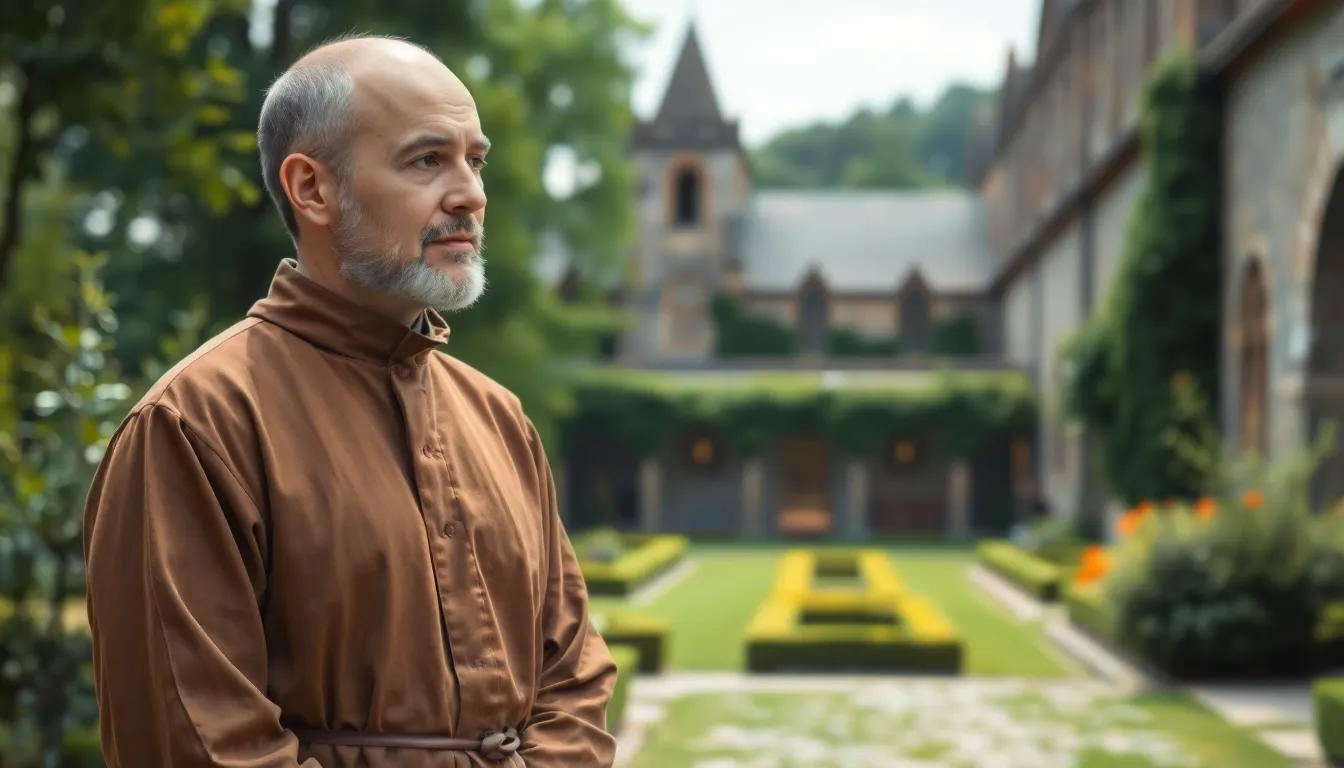

The Benedictine habit isn’t just a fashion statement; it’s a symbol of commitment, community, and a dash of monastic flair. Picture this: a group of monks, clad in flowing robes, living a life of prayer, work, and maybe a little too much bread. The simplicity of their attire reflects a profound dedication to their spiritual journey, but let’s be honest, they’ve got style down to a science.
This article dives into the fascinating world of the Benedictine habit, exploring its rich history and significance. From the origins of those iconic robes to how they influence modern spirituality, there’s more to this garment than meets the eye. So grab a seat, maybe a cookie, and prepare to uncover why the Benedictine habit is not just for monks anymore—it’s a lifestyle choice that might just inspire you to rethink your own wardrobe.
Understanding the Benedictine Habit
The Benedictine habit represents both heritage and lifestyle within monastic life. This attire, rich in history and meaning, symbolizes the commitment of monks to their spiritual journey.
Historical Background
The roots of the Benedictine habit trace back to Saint Benedict in the 6th century. Monks originally wore simple tunics to reflect humility and servitude. As the monastic community grew, these robes evolved into distinct garments that represented their identity. Utilization of specific colors and fabrics highlighted various traditions within the order. Over centuries, the habit has retained its significance, connecting modern practitioners to early Benedictines.
Purpose and Significance
The Benedictine habit serves as a daily reminder of monastic vows of obedience, stability, and conversion of life. Wearing the habit fosters a sense of belonging within the community. It signifies a commitment to a life of prayer and contemplation. Beyond functionality, the habit acts as a visual cue to the outside world about the identity of its wearer. Through its simplicity, the attire inspires others to reflect on their spiritual journeys and choices.
Components of the Benedictine Habit
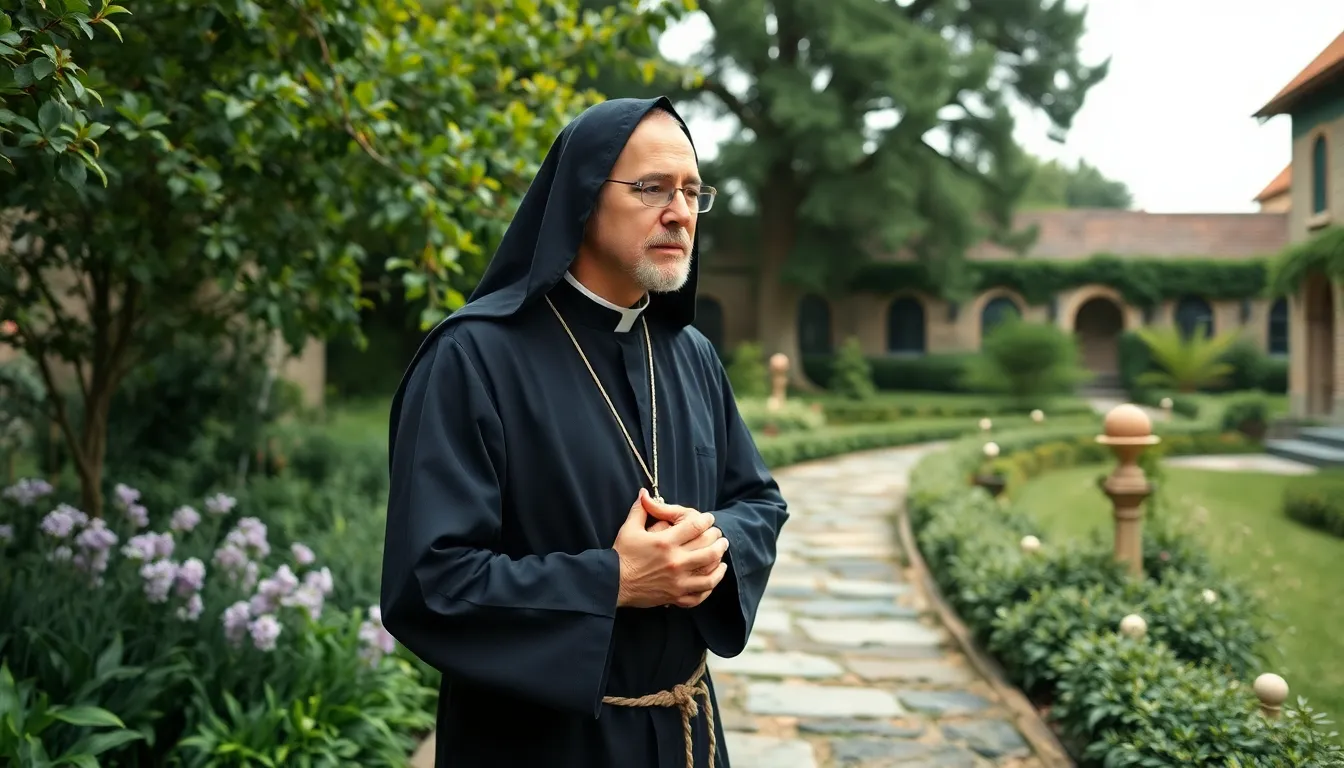
The Benedictine habit consists of several key components that embody the monastic life and spiritual commitment. Each garment plays a significant role in representing the values of humility, community, and identity.
The Tunic
The tunic stands as the most recognizable element of the Benedictine habit. Traditionally, it features a simple, loose-fitting design to promote comfort and ease of movement. Made from wool or cotton, the tunic often comes in a shade of black or brown, signifying humility. Many wear this garment as a daily reminder of their vows and commitment to service within the community. The tunic’s basic style reflects the monastic ethos of simplicity.
The Cincture
The cincture serves as the belt of the habit, usually fashioned from either rope or cloth. This component symbolizes the binding of oneself to God through monastic vows. Various colors may indicate different monastic traditions, with white or brown being common choices. The cincture also represents chastity and self-control, key virtues within the Benedictine Rule. Many monks tie the cincture with a specific knot that holds personal significance, reinforcing their spiritual journey.
The Scapular
The scapular acts as an additional garment worn over the tunic. Typically rectangular in shape, this piece drapes over the shoulders, providing practical coverage. Often, the scapular is crafted from wool or linen, with various colors indicating the wearer’s specific religious community. This component symbolizes the dedication of the monk to their spiritual duties. Functionally, it serves to protect the habit during manual labor, as monks often engage in physical work.
The Hood
The hood adds an important layer of symbolism to the Benedictine habit. This component covers the head and neck, emphasizing the monk’s commitment to a life of prayer and contemplation. Made from the same material as the tunic, the hood often reflects the same color choices. Wearing the hood may not only offer physical warmth but also communicates the monk’s separation from worldly distractions. Additionally, it fosters a sense of community among monks, as the style remains consistent across various monasteries.
Spiritual Symbolism of the Benedictine Habit
The Benedictine habit embodies deep spiritual symbolism, reflecting core values of humility and community. It serves as a daily reminder of the monastic commitment.
Signs of Humility
The color of the habit often indicates humility. Simple brown or black robes exemplify the monk’s choice to live without ostentation. A plain tunic avoids distractions, fostering focus on spiritual growth. The cincture, an unadorned cord, binds the garment and symbolizes self-discipline. This simplicity in attire highlights a conscious decision to reject worldly status and materialism.
Representation of Community
The habit unifies monks, creating a visible sense of belonging. Different components of the attire, such as the scapular and hood, enhance communal identity. Worn collectively, these robes foster fellowship among the monks. Each garment represents shared values and collective spiritual goals. The distinct garments also signal affiliation to specific Benedictine traditions, reinforcing community bonds. Thus, the habit acts as both a personal expression of faith and a collective symbol of monastic life.
Wearing the Benedictine Habit
The Benedictine habit serves as a visible sign of monastic life and commitment. Monks wear this attire daily, symbolizing their vows and devotion.
Guidelines for Use
Proper guidelines exist for wearing the Benedictine habit. Each component must fit, providing comfort and functionality during daily tasks. Monks choose black or brown tunics, maintaining a simple aesthetic that reflects humility. Fastening the cincture around the waist reinforces the commitment to their spiritual journey. Wearing the scapular over the tunic signifies a dedication to service, while the hood is used primarily during prayer. Following these guidelines ensures the habit embodies the values it represents.
Occasions for Wearing
Monks typically wear the Benedictine habit during specific occasions. Daily prayers and communal gatherings call for the habit as a symbol of unity. Celebrations of feast days or special liturgical events also warrant this attire. When engaging in spiritual work or service, the habit portrays the monk’s identity and commitment to their vocation. Each occasion reinforces the importance of the habit in daily life, creating a shared experience within the community.
The Benedictine habit stands as a profound symbol of spiritual commitment and community. Its simplicity and distinct elements reflect a monk’s dedication to humility, obedience, and service. Each component of the habit not only serves practical purposes but also reinforces the values that bind the monastic community together.
As modern individuals navigate their own spiritual journeys, the essence of the Benedictine habit can inspire a deeper understanding of identity and belonging. Embracing these principles may lead to a more intentional approach to personal expression and community connection in today’s world.


